Writing
Long-form notes on neuro-symbolic systems, evaluation, and building a company around a research thesis.
Most of these first appeared elsewhere — on the ExtensityAI blog, or on dinu.at — and are ported here, figures included.
-
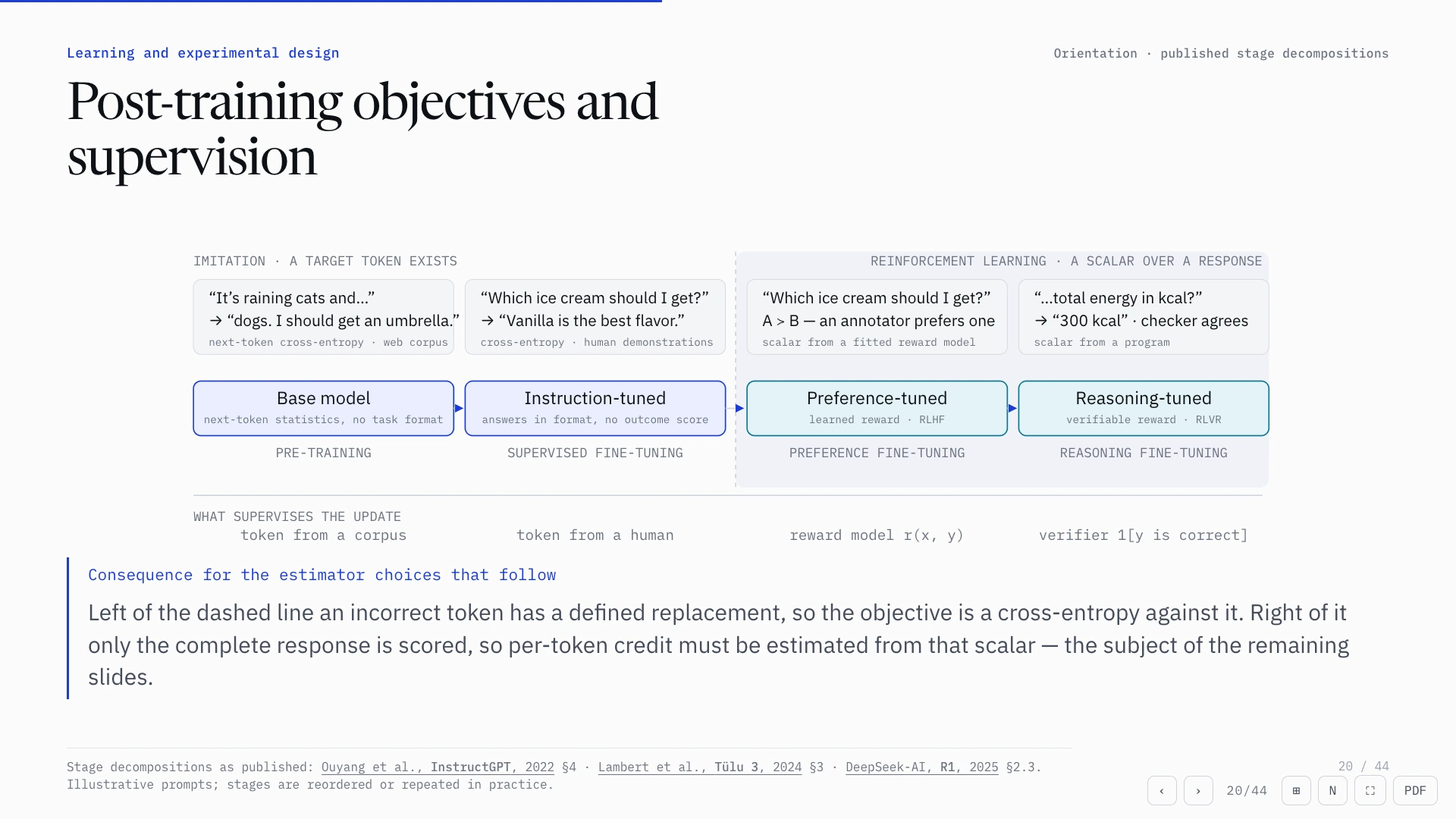
Agentic AI for Scientific Discovery — the RL Bootcamp 2026 slides
The 3rd International RL Bootcamp runs 16–18 September 2026 in Salzburg, free to attend. Here is the deck for my Friday talk, embedded to click through in full, plus what it argues and where the recordings land.
-
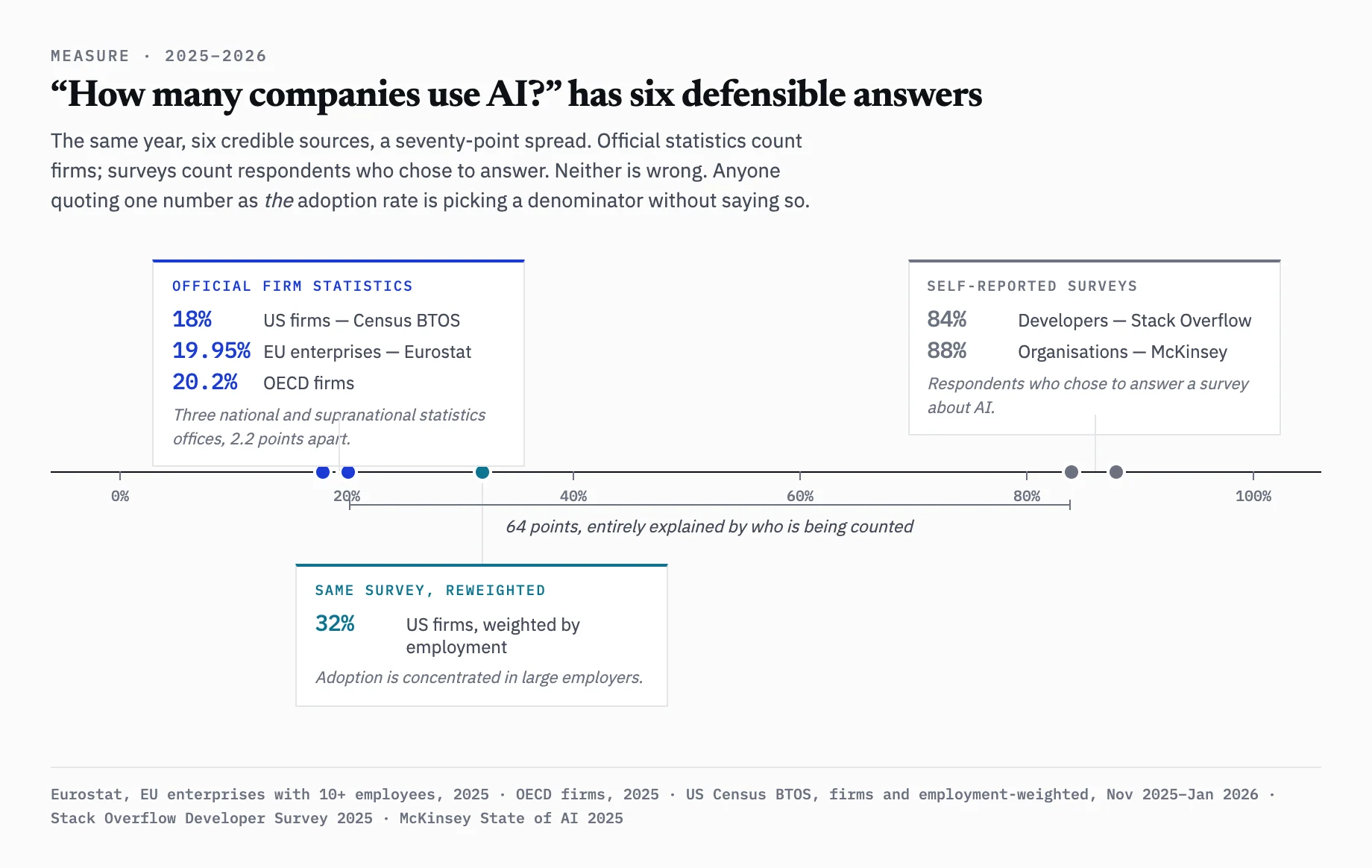
The moat was never the software
If a product can be specified precisely enough to regenerate and check, an AI-assisted team can now rebuild it in a week. That is a narrower claim than it sounds — and it points at where the value actually sits.
-
Cortex: a fixed-point theory of governed coding agents
Treating an agent's validate-repair loop as a monotone operator on a lattice of requirements, so that 'the task is done' becomes a least fixed point you can prove it reaches.
-
Ringdown bounds on UV-regularized black-hole cores
Using the ringdown of merging black holes to bound the size of a non-singular quantum core, and the scaling-law regression framework that turns a whole catalogue of events into one test.

-
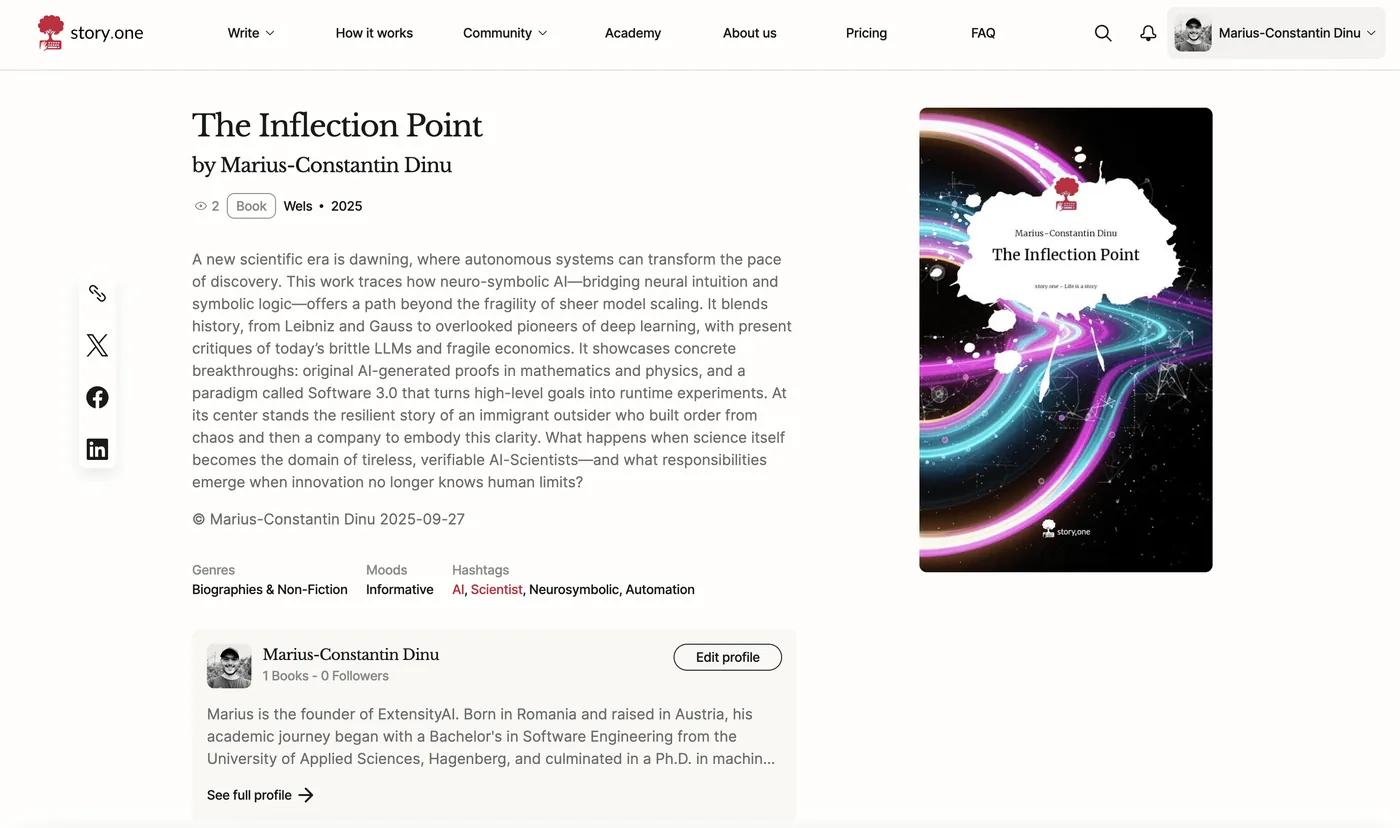
The inflection point — the story behind ExtensityAI
Why I wrote The Inflection Point, and how the neuro-symbolic architecture it argues for became a working product with story.one.
-
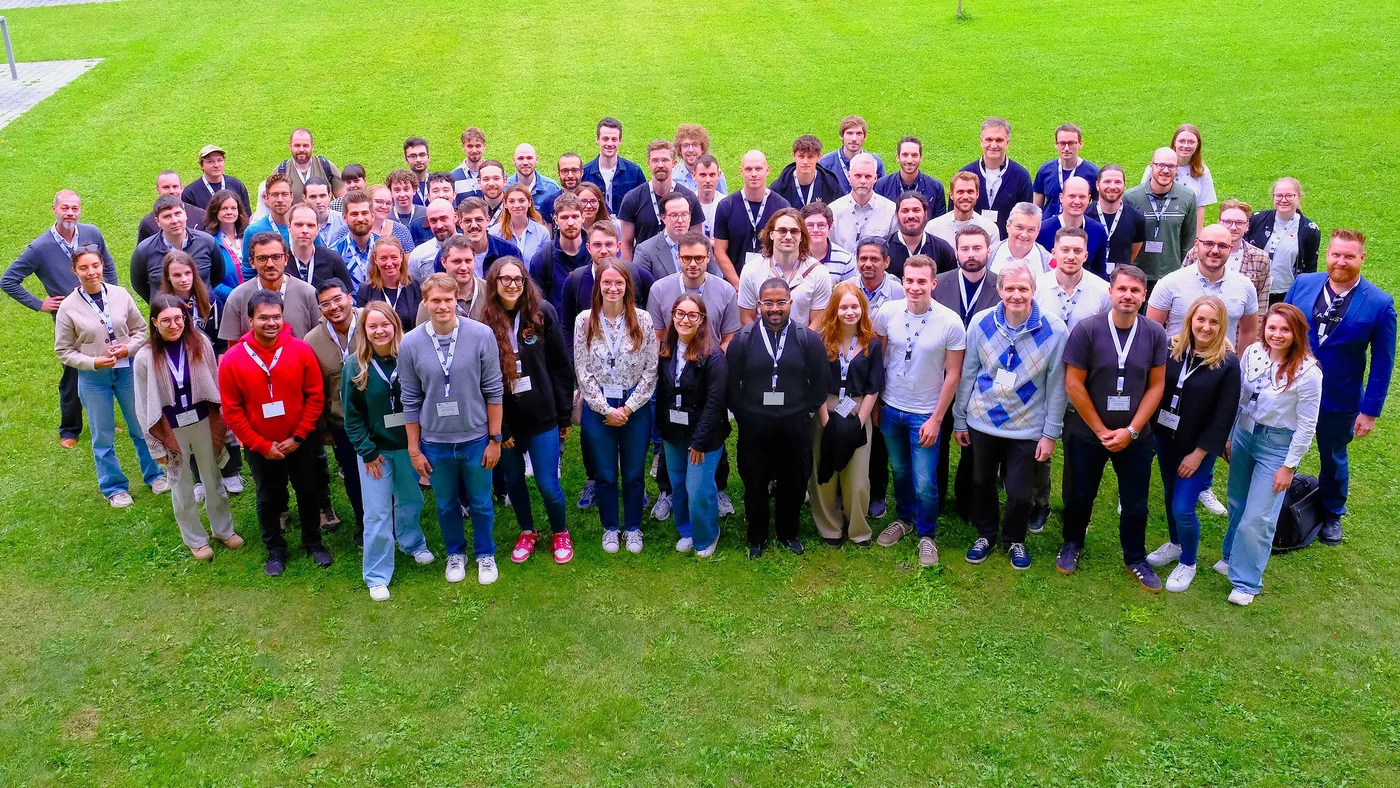
Recap of the 2nd International RL Bootcamp
A look back at the RL Bootcamp 2025 in Salzburg: highlights, speakers, and the recordings, slides and community links the organizers published.
-
A dialogue on AI, market power and a sustainable future
Notes on a cross-disciplinary collaboration with Indian legal scholars and the resulting joint report on AI market power and India in a multipolar world.

-
HyDRA: contracts as the control mechanism for knowledge-graph construction
Design-by-Contract applied to LLM-driven ontology and knowledge-graph generation, and an honest negative result about the benchmark used to measure it.
-
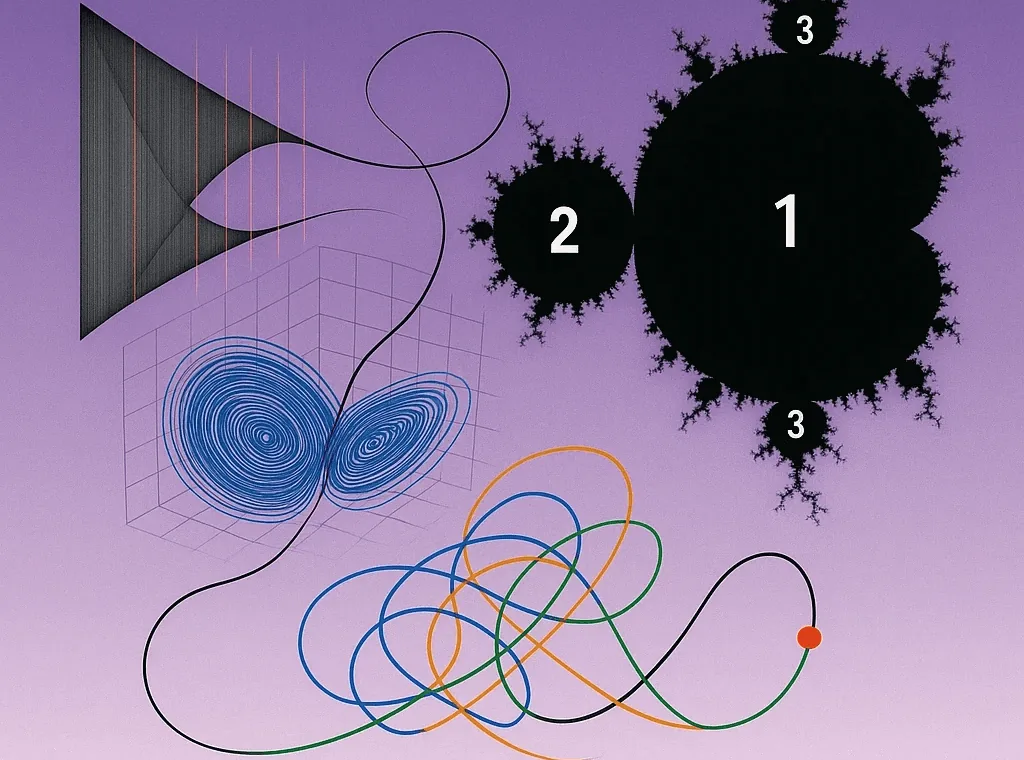
Entering the three-body problem
Inspired by sci-fi's The Three-Body Problem, this post explores chaos, system dynamics, and how AI research automation can master complexity.
-

Primality testing via circulant matrix eigenvalue structure
A prime is exactly an integer whose circulant matrix has a minimal polynomial with two irreducible factors over the rationals. A clean characterisation, and a slow algorithm.
-
Empowering research innovation
How the neuro-symbolic stack behind SymbolicAI became a research automation platform, and what happened when we pointed it at an open question in primality testing.
-
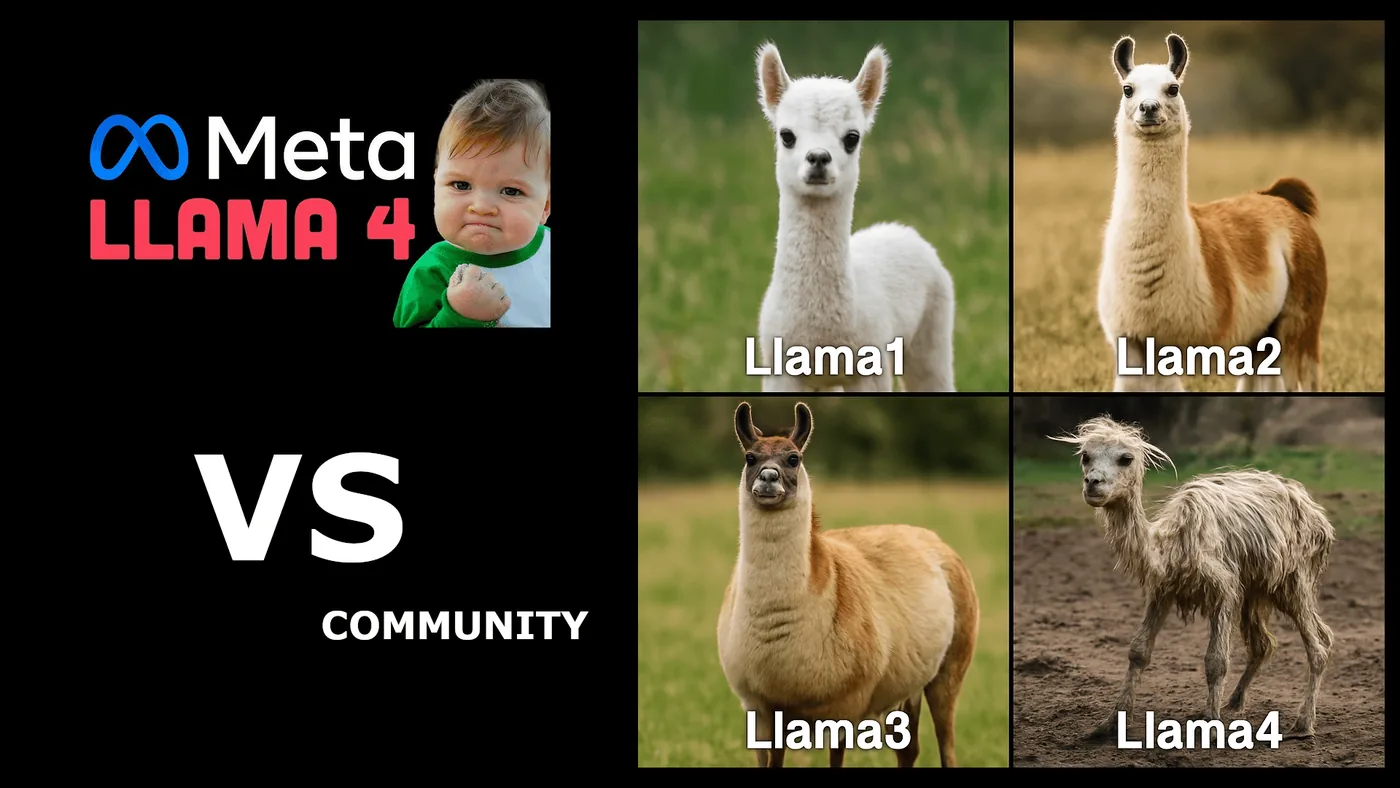
The benchmark illusion
AI models ace benchmarks yet fail real-world tests — a critical assessment in evaluations and why we need better frameworks to measure intelligence.
-
PyFlow.ts: bridging ML research with production
How PyFlow.ts exposes Python ML code to TypeScript with one decorator, removing the API, typing and client boilerplate of the last-mile deployment step.

-
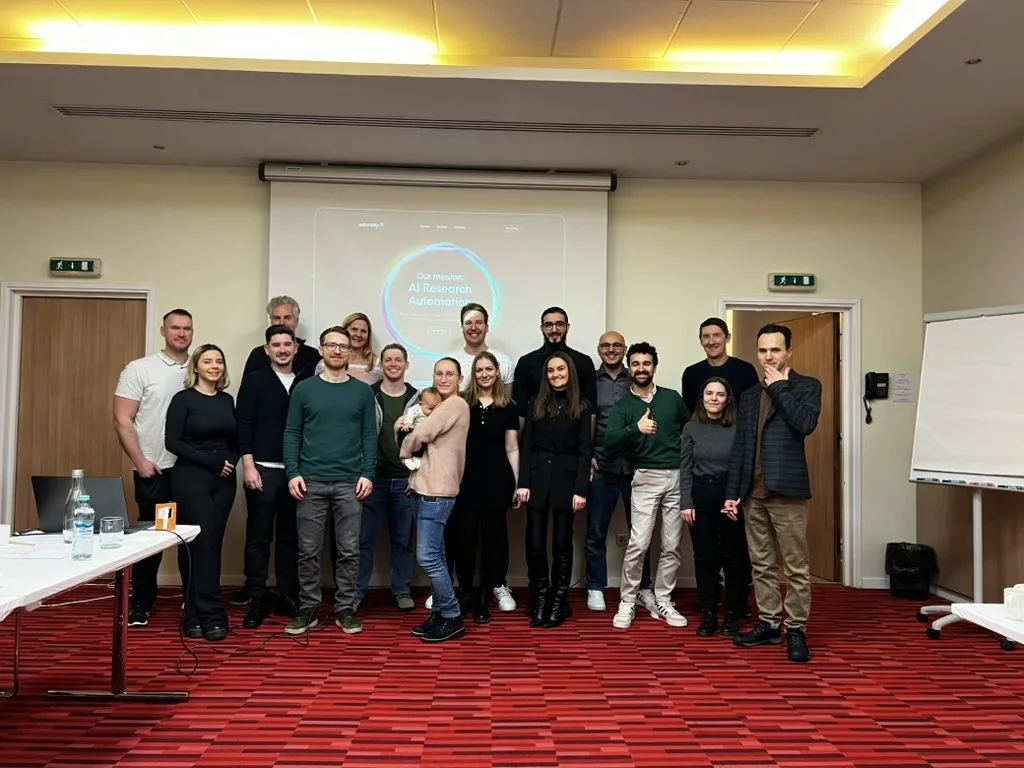
Year one in review
Recap of ExtensityAI's first year: origins as a neuro-symbolic research framework, the team, milestones, publications, and plans for 2025.
-
Parameter choice and neuro-symbolic approaches for deep domain-invariant learning
My doctoral thesis at JKU Linz: how to pick hyperparameters for domain adaptation when the target has no labels, and what to do when you cannot train at all.
-
Large language models can self-improve at web agent tasks
Harvesting an agent's own WebArena trajectories, filtering them without labels, and fine-tuning on the result — plus two metrics for what a benchmark score hides.
-
SymbolicAI: industry recognition and community impact
Recognition that the SymbolicAI framework and its research paper received from AI researchers, industry figures, media outlets, and the community.

-
Announcing the SymbolicAI paper
The research paper behind SymbolicAI: a modular framework for logic-based approaches that compose generative models with solvers, plus a benchmark for evaluating LLMs in AI-centric workflows.
-
A neuro-symbolic perspective on large language models
The Symbolic API: using LLMs as the core of a neuro-symbolic stack, decomposing hard tasks into simple zero-shot operations and recombining them.

-
InfODist: online distillation with informative rewards
Why curriculum-learning agents generalise badly to the next task, and why the culprit is the states they explore rather than the non-stationarity they endure.
-
Addressing parameter choice issues in unsupervised domain adaptation by aggregation
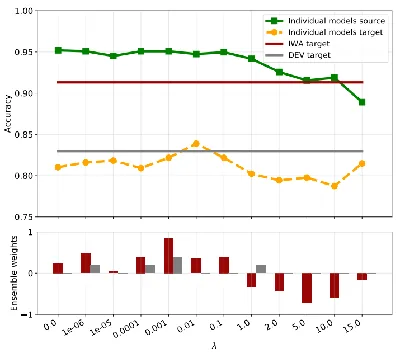
Extending weighted least squares to vector-valued functions, with a target error asymptotically no worse than twice the unknown optimal aggregation.
-
A dataset perspective on offline reinforcement learning
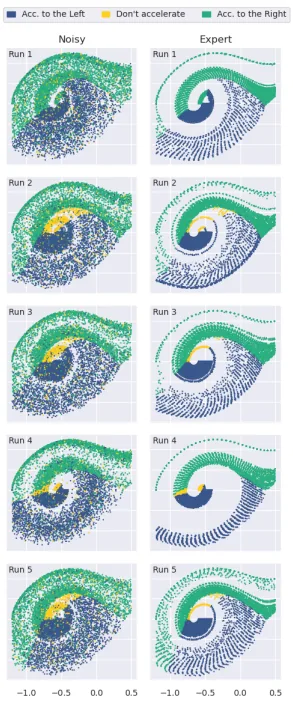
Two measures — SACo for exploration, TQ for exploitation — that characterise a behavioural policy's dataset and predict which offline RL algorithms will work on it.
-
Reactive exploration to cope with non-stationarity in lifelong reinforcement learning
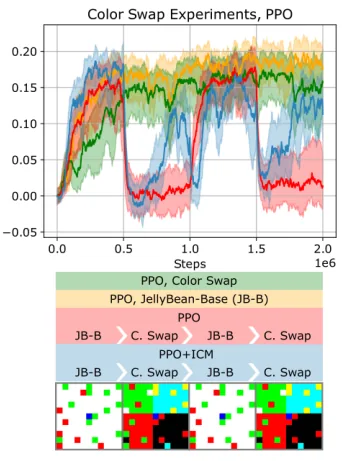
Tracking continual domain shifts as they happen: why policy-gradient methods adapt faster than Q-learning when the environment keeps moving.
-
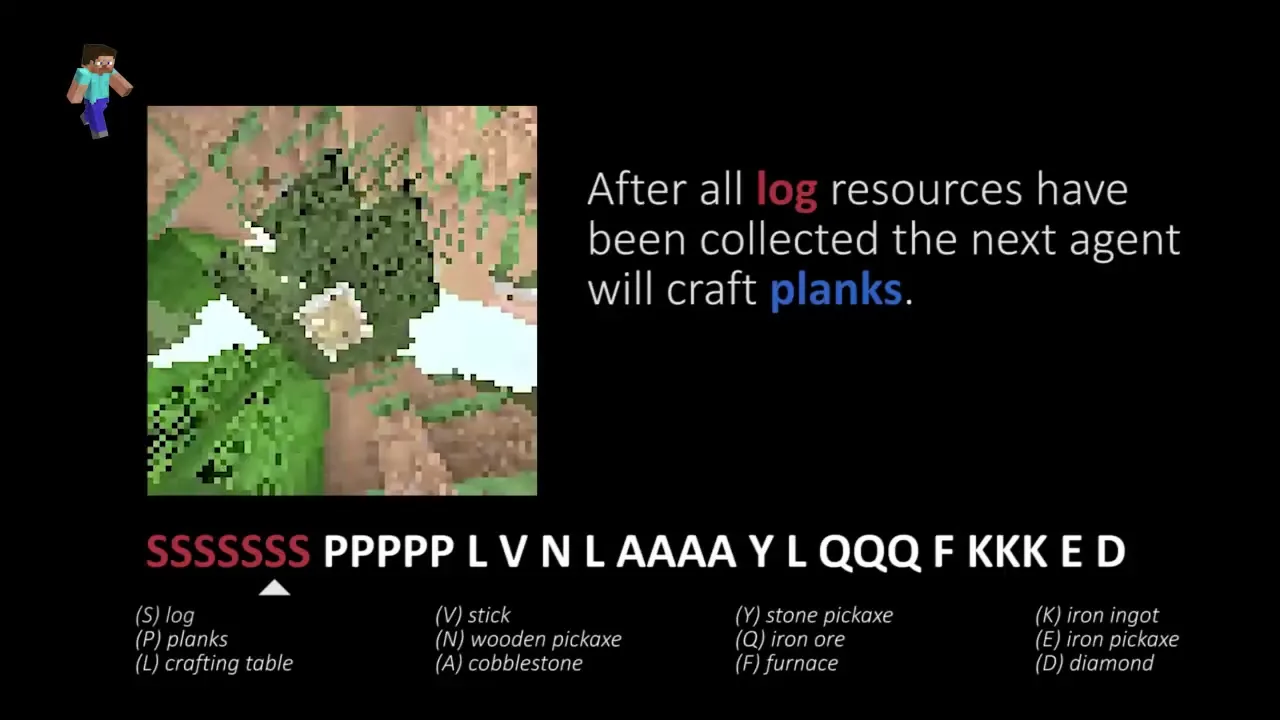
Align-RUDDER: learning from few demonstrations by reward redistribution
Replacing RUDDER's LSTM with a profile model from multiple sequence alignment, so reward redistribution works from a handful of demonstrations.
-
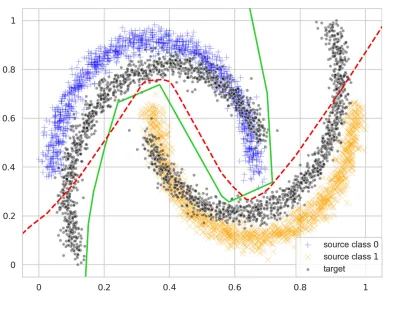
The balancing principle for parameter choice in distance-regularized domain adaptation
Borrowing the balancing principle from ill-posed inverse problems to justify the regularization parameter when the target domain has no labels.
-
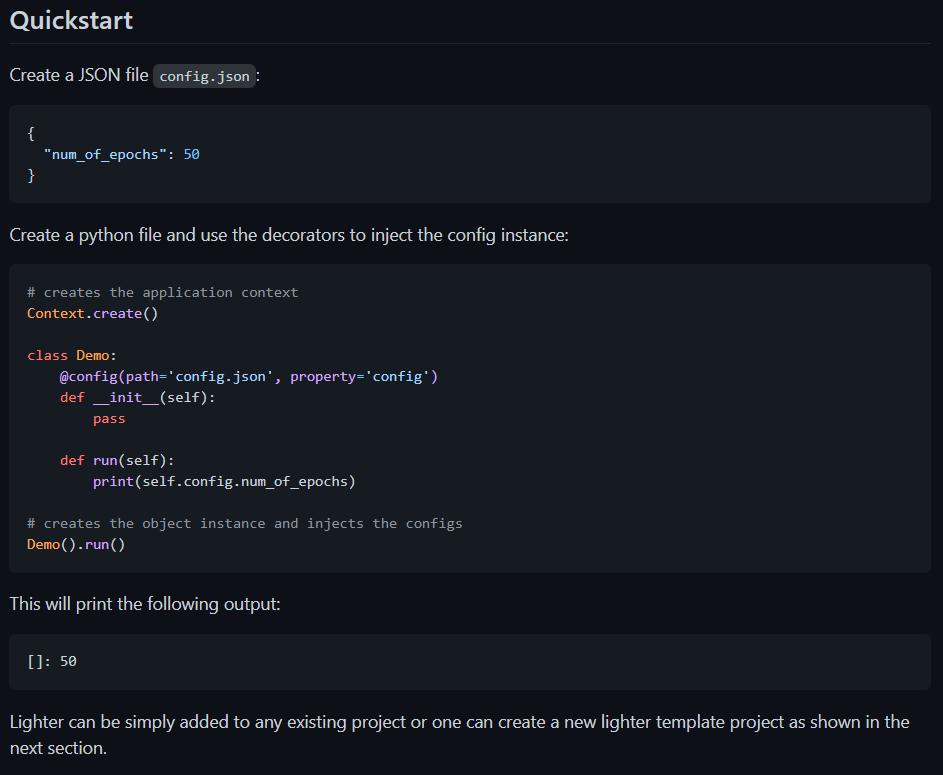
Lighter: dependency injection for PyTorch
Python borrowed little from the aspect-oriented practices that matured in Java and C#. Lighter brings dependency injection to PyTorch projects.
-
JKU AI overview video
A short overview of what AI makes possible, produced at Johannes Kepler University Linz.

-
XAI and strategy extraction via reward redistribution
Using Align-RUDDER as an interpretability method: multiple sequence alignment surfaces the key events an agent relies on, and those events are usually human-readable sub-tasks.
-
Align-RUDDER: reward redistribution from few demonstrations
The first write-up of Align-RUDDER: two modifications to RUDDER that let profile models built from as few as two demonstrations carry the reward redistribution.
-
Overcoming catastrophic forgetting with context-dependent activations
Master's thesis: context-based gating that switches pathways through a network, cutting destructive interference on long task sequences.
-
Imagine Kara
A thank-you to the team behind Imagine Kara as the project wound down.
-
Seamlessly entering the crypto world with Apollon
A short pointer to a longer write-up on the Apollon project and getting started with masternodes.

-
Earning almost one Bitcoin with masternodes in three weeks
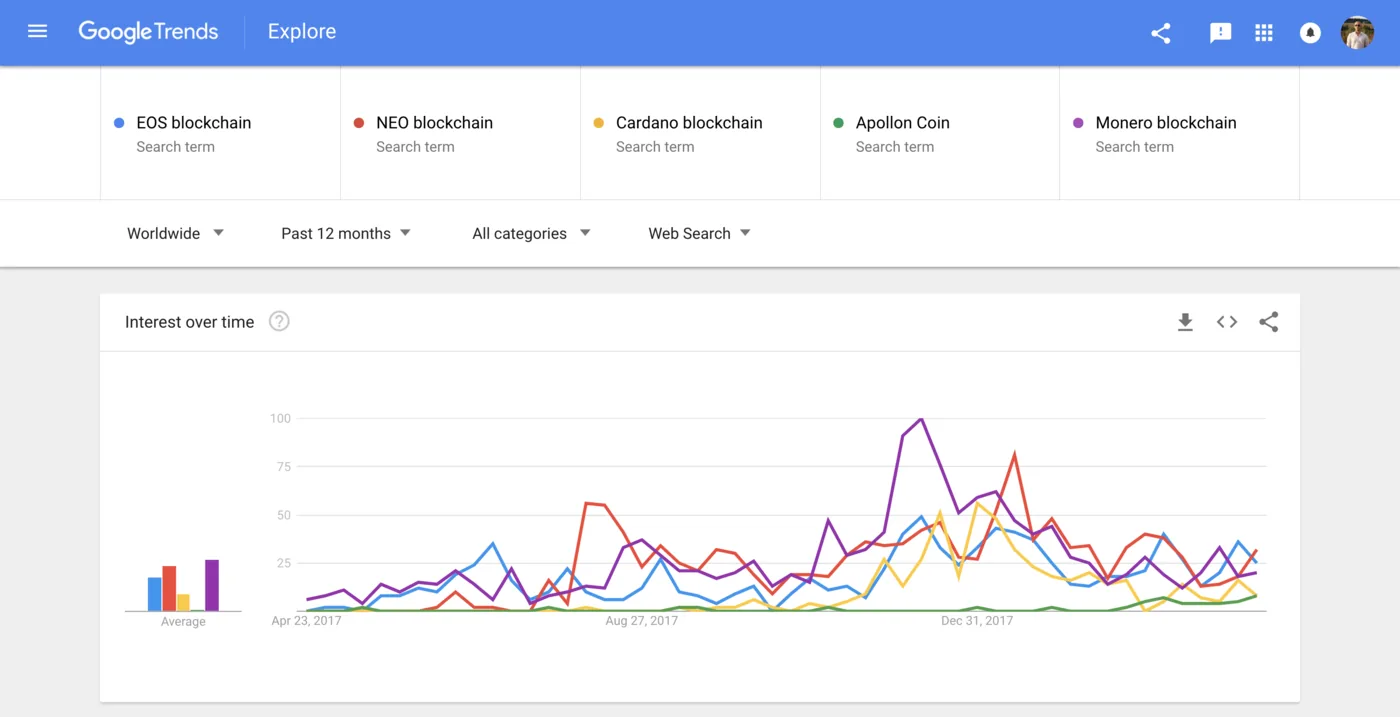
How hosting Apollon masternodes worked out over three weeks in 2018, and how the project's search interest compared to the top ten coins.
-
Uni Swift project
A university iOS app for managing photos, built around actually finding the right image again.

-
Deep Learning Script
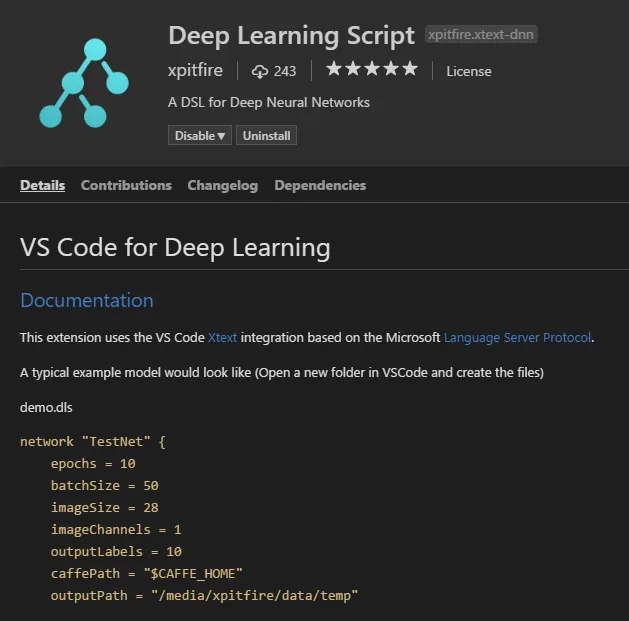
A DSL for Caffe that cuts the line count of prototyping a network architecture, with a VS Code extension that transpiles to Caffe Script.
-
Deep learning: where to start and how to dig deeper
Two reference notes from 2016 — an overview of the field, and a practical guide to running deep learning on Ubuntu with Docker.
-
Operation Phrike
A VR combat-simulation study: Oculus Rift plus Unreal Engine, with sensors reading the test subject's stress level.
-
Internship report: handwritten character recognition
A Xamarin app that classifies handwritten characters with a neural network, compared against a support vector machine. Written at Siemens Corporate Technology.
-
Bachelor thesis: cross-language integration for the CLR
Compiling JavaScript to .NET IL by pairing a Coco/R-generated parser with Roslyn's syntax trees.